The Universiti Teknologi MARA (UiTM) Library Information Literacy Module is a structured program designed to equip students, researchers, and lifelong learners with essential skills to navigate today’s vast landscape of information. Rooted in the long-standing traditions of scholarship and academic integrity, the module emphasises the ability to identify, locate, evaluate, and ethically use information in both print and digital environments.

Developed as part of UiTM Library’s mission to support teaching, learning, and research excellence, the module provides a step-by-step foundation in:

  • Understanding library resources and services
  • Searching effectively using catalogues, databases, and online tools
  • Evaluating the credibility and relevance of information sources
  • Applying proper citation and referencing practices
  • Developing critical thinking in information use

While firmly upholding traditional academic values such as accuracy, integrity, and respect for intellectual property, the module also responds to the evolving demands of the digital age. It prepares students not only to succeed in their studies but also to adapt as responsible information consumers and contributors in a global knowledge society.

The UiTM Library Information Literacy Module stands as both a guide and a bridge—connecting the wisdom of traditional scholarship with the opportunities of modern information technology.

This course, "Publication Ethics & Publishing Tools," is designed to provide postgraduate students and early-career researchers with a comprehensive understanding of ethical publishing practices and the tools necessary for successful research dissemination. The course covers key topics such as publication ethics principles, common ethical issues, identifying predatory journals, and practical strategies for responsible publishing. It also introduces essential tools for writing, organising, selecting journals, and effectively promoting research. Through interactive activities, case studies, and hands-on tutorials, learners will develop the skills to navigate the academic publishing landscape with integrity and confidence.

This course provides a comprehensive introduction to EndNote, a powerful reference management software used by researchers, students, and professionals to organize and cite sources efficiently. Participants will learn how to create and manage their EndNote libraries, import references from various sources, and generate citations and bibliographies in multiple citation styles.

Key topics covered include:

  • Introduction to EndNote: Overview of features and benefits
  • Creating and Organising a Library: Adding, editing, and managing references
  • Importing and Managing References: Direct import from databases and manual entry
  • Citing While Writing (Cite While You Write - CWYW): Integration with Microsoft Word for seamless citation insertion
  • Customising Citation Styles: Modifying and applying different referencing styles
  • Collaboration and Cloud Features: Sharing libraries and using EndNote online
  • Troubleshooting and Best Practices: Common issues and solutions

By the end of the course, participants will be proficient in using EndNote to streamline their research workflow, ensuring accurate and efficient citation management.

This course introduces participants to the fundamental skills needed to create and edit documents using Microsoft Word. Learners will explore the basic functions of the Word interface, apply essential text formatting, adjust page layouts, and insert simple elements such as images, tables, and lists. By the end of the course, participants will be able to produce clear, well-organized documents suitable for everyday academic or office use.

In today's fast-paced research environment, the ability to effectively search, analyse, and manage scholarly literature is more important than ever. Whether you're a student, researcher, librarian, or academic professional, mastering advanced search techniques can significantly enhance the quality and efficiency of your work.

This course is designed to guide you through the powerful features and tools available in the Web of Science (WoS) platform — one of the most comprehensive and trusted research databases in the world. Through this course, you will learn how to:

  • Develop sophisticated search strategies using Boolean operators and field tags
  • Refine and filter results to pinpoint the most relevant literature
  • Track citations, identify research trends, and analyse scholarly impact
  • Utilise WoS tools for reference management and collaboration

By the end of this course, you’ll be equipped with the skills to conduct high-quality, precise, and reproducible literature searches that support your academic or professional goals.

Let’s get started on your journey to becoming a proficient user of the Web of Science!

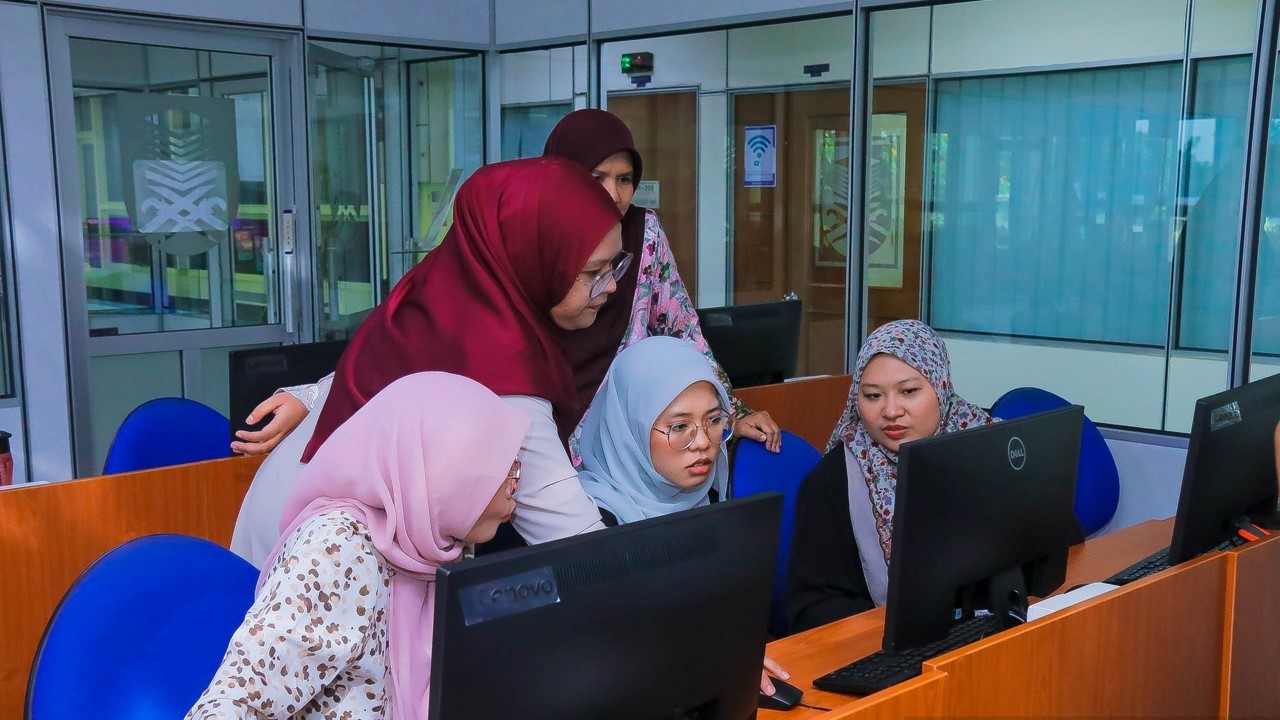
This course, led by a skilled librarian, provides a comprehensive introduction to SCOPUS, one of the world’s largest databases for academic research. Participants will learn how to effectively navigate SCOPUS to search for scholarly articles, track citations, and analyze research trends. The course covers essential features, such as advanced search techniques, author and journal metrics, and citation analysis tools. By the end of the course, participants will be equipped with the skills to use SCOPUS for research discovery, performance evaluation, and informed decision-making in academic and research settings.

The Information Literacy Skills module is a structured program developed by UiTM Library to equip students with the essential competencies for effective information use. The module introduces learners to the fundamentals of identifying information needs, locating reliable resources, evaluating sources critically, and applying information ethically in academic and professional contexts.

The Online Database: Explore Searching Techniques module is designed to help students and researchers make the most of UiTM Library’s subscribed databases. This module introduces effective strategies for retrieving high-quality academic resources, including journal articles, conference papers, e-books, and other scholarly materials.

Participants will learn how to construct precise search queries using keywords, Boolean operators, truncation, and phrase searching, as well as how to refine results through filters and advanced search options. The module also emphasises evaluating retrieved sources for relevance and credibility, ensuring that users can confidently apply information to their academic work.

UiTM Library offers a dedicated self-learning guide on Mendeley, a free reference management tool that supports students, researchers, and academics in organizing their research effectively. This guide provides step-by-step instructions on how to install Mendeley, create and manage a personal library of references, insert citations, and generate bibliographies with ease.